
Harriet Tubman is remembered for the Underground Railroad and for the Combahee River raid. She also spent most of the Civil War doing nursing work, and was never paid a cent for it.
What she knew
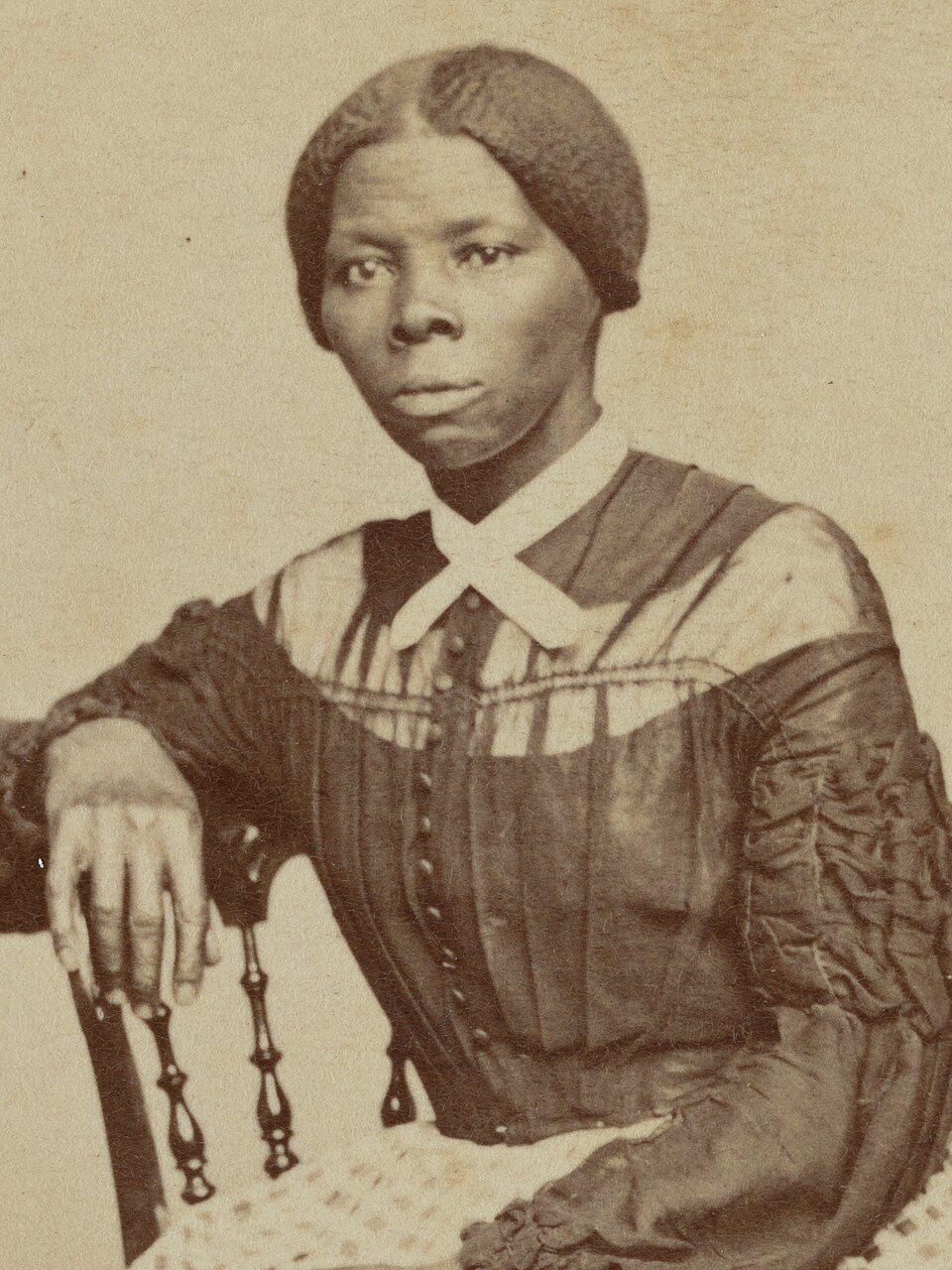
Tubman was born into slavery in Dorchester County, Maryland, around 1822, and escaped in 1849.
Her medical knowledge came from where her generation's did: from the enslaved communities of the Eastern Shore, where formal medicine was unavailable and herbal practice was the whole of the available care. She knew the local roots and barks and what they were for.
That is the same body of knowledge Mary Seacole was working from in Jamaica in the same decades, and in both cases it worked better than a good deal of what the licensed profession was doing.
Port Royal
In 1862 Tubman went to Beaufort, South Carolina, with the Union forces occupying the Sea Islands.
Thousands of people had been left behind by fleeing enslavers and were living in camps, in conditions that produced dysentery and smallpox on a large scale. Tubman nursed them, and nursed Union soldiers alongside them.
Her recorded treatment for the dysentery was a decoction of boiled local roots and herbs. Contemporary accounts say it worked when the army surgeons' treatments did not, and she was sent for when men were dying. She also nursed smallpox patients and did not catch it, which the soldiers took for something more than luck.
She was doing this alongside scouting and intelligence work for the Union Army, and in June 1863 she guided the Combahee River raid that freed some 700 people — the only American military operation of the war planned and led in the field by a woman.
Fort Monroe
In 1865 the Surgeon General appointed her matron of the hospital for Black soldiers at Fort Monroe, Virginia — a formal nursing post, running a ward.
She left it to go home to Auburn, New York and care for her parents.
Not paid
Tubman received almost nothing for three years of nursing, scouting and military service. She spent decades petitioning Congress.
In 1899 she was granted twenty dollars a month — and it was granted as a widow's pension for her husband Nelson Davis's service, not as payment for her own. The government never recognised the work as work.
She spent her later years running a home for elderly and indigent Black people in Auburn, which she had opened on land she bought herself. She died there on March 10, 1913, in the home she had founded, of pneumonia.
Her nursing sits in the same place as Susie King Taylor's: real clinical work, done for years under wartime conditions, unpaid because the Army had no category for a Black woman doing it, and left out of the profession's account of itself for a century afterwards.
Related
Sources
- Harriet Tubman's forgotten history as a Civil War nurse. Minority Nurse. Accessed September 9, 2026.
- Harriet Tubman. National Park Service, Harriet Tubman National Historical Park. Accessed September 9, 2026.
- Congress and Harriet Tubman's claim for a pension. National Archives. Accessed September 9, 2026.
- Scenes in the Life of Harriet Tubman, Sarah H. Bradford, 1869. Accessed September 9, 2026.