
Mary Ann Bickerdyke set up some three hundred field hospitals during the Civil War, was present at nineteen battles, and was the only woman Sherman would allow in his forward camps. The soldiers called her Mother Bickerdyke.
Cairo
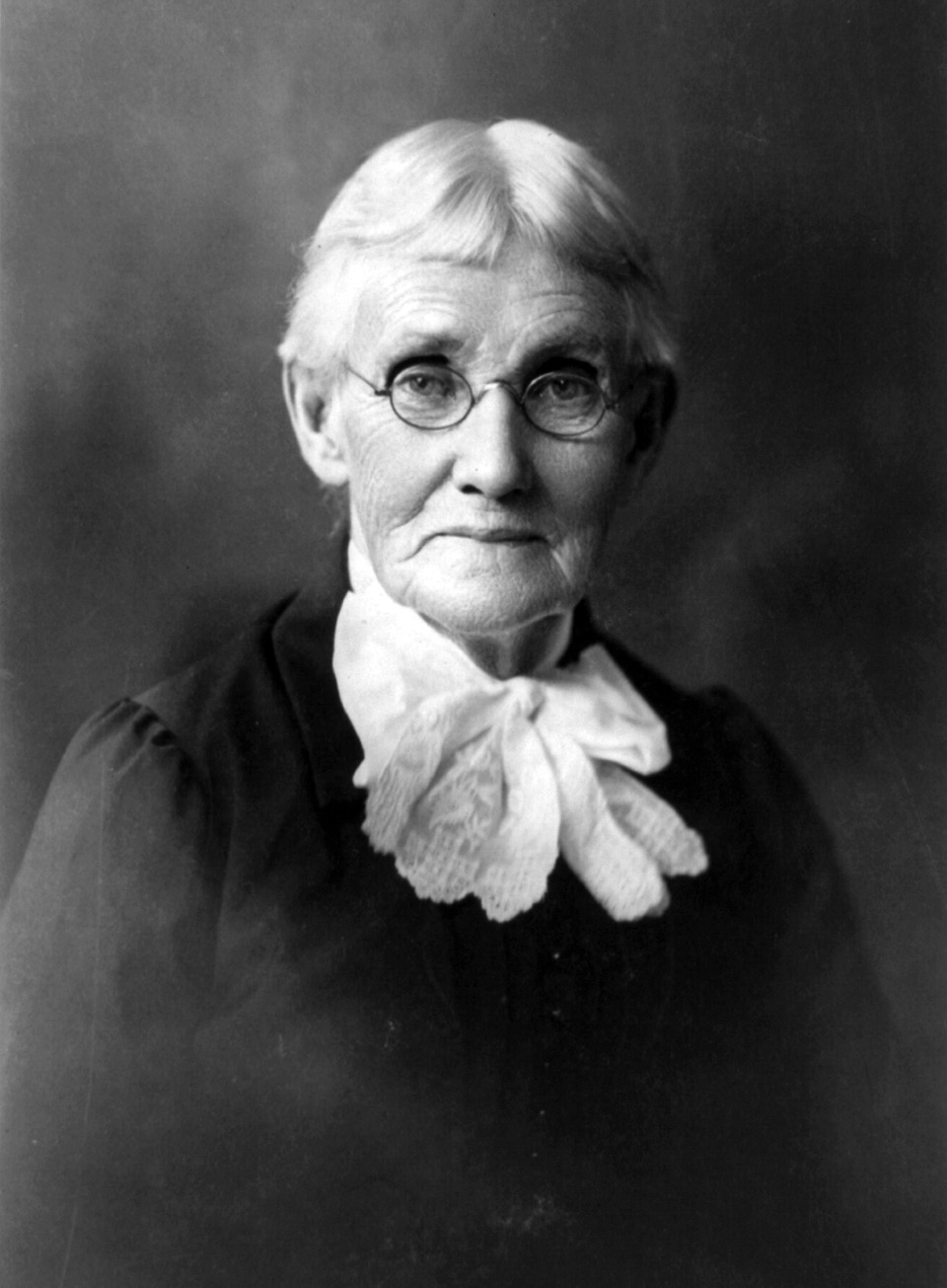
She was born Mary Ann Ball on July 19, 1817 in Knox County, Ohio, and was widowed in 1859 with two young sons, working in Galesburg, Illinois as a botanic physician.
In 1861 a surgeon with the 22nd Illinois wrote home describing the filth of the army hospitals at Cairo, Illinois. His letter was read aloud in the Galesburg church, the congregation raised five hundred dollars of supplies, and Bickerdyke was chosen to deliver them.
She arrived, saw the conditions, and stayed for four years.
How she operated
The Union Army had no organized system for feeding, cleaning or supplying its field hospitals. Bickerdyke built one, working as a field agent for the Sanitary Commission. She scrubbed wards, set up laundries, and ran what were effectively field kitchens and dairies, at one point driving a herd of cows and a flock of hens with the army so that wounded men had milk and eggs.
She had no rank and no authority, and she was completely unmanageable. She dismissed surgeons she found drunk or negligent, on no authority but her own, and made it stick because the generals backed her. Asked once by an officer whose authority she was acting under, she is reported to have said: "On the authority of Lord God Almighty; have you anything that outranks that?"
A surgeon complained to Sherman about her. Sherman's answer went into the army's folklore: "She outranks me. I can't do a thing in the world."
Grant gave her a pass to travel anywhere in his command and detailed soldiers to her hospital trains. Sherman called her one of his best generals and had her ride at the head of the XV Corps in the Grand Review of the Armies in Washington in 1865 — the only woman in the column.
She served from June 1861 to March 1865, through Fort Donelson, Shiloh, Vicksburg, Missionary Ridge and the march through Georgia. After Donelson she was found at night on the frozen field with a lantern, going body to body to make sure nobody still alive was left out there.
After the war
Bickerdyke spent the rest of her life on the same work by other means. She helped Union veterans and their widows obtain pensions, eventually handling claims professionally, and worked for a period at the San Francisco Mint. She helped resettle veterans on land in Kansas.
She did not have a pension herself until Congress granted her twenty-five dollars a month on May 9, 1886, after a campaign by Mary Livermore.
She died on November 8, 1901 in Bunker Hill, Kansas, at 84, and is buried in Galesburg.
Related
Sources
- Mary Ann Bickerdyke, for the chronology, the field hospitals and the Sherman and Grant material. Accessed September 9, 2026.
- Mary Ann Bickerdyke. National Park Service. Accessed September 9, 2026.
- Mother Bickerdyke. National Museum of Civil War Medicine. Accessed September 9, 2026.