
Eddie Bernice Johnson was the first nurse elected to the United States Congress, and she got into nursing by leaving her home state, because no nursing school in Texas would admit a Black student.
Notre Dame, then back
Johnson was born on December 3, 1934 in Waco, Texas. She wanted to be a physician; a high school counsellor told her that was not available to a girl and steered her to nursing.
Texas nursing schools were segregated and would not take her. She went to Saint Mary's College at Notre Dame in Indiana, took her nursing certificate in 1955, and came home. She later completed a bachelor's degree at Texas Christian University and a master's in public administration at Southern Methodist.
Sixteen years at the VA
Johnson became chief psychiatric nurse at the Veterans Administration hospital in Dallas — the first Black person to hold the post — and stayed sixteen years.
She was running psychiatric nursing for veterans through the Vietnam years, which is the clinical experience she carried into everything afterwards, and she said repeatedly that what put her into politics was watching how much of what her patients needed was decided somewhere other than the hospital.
Politics
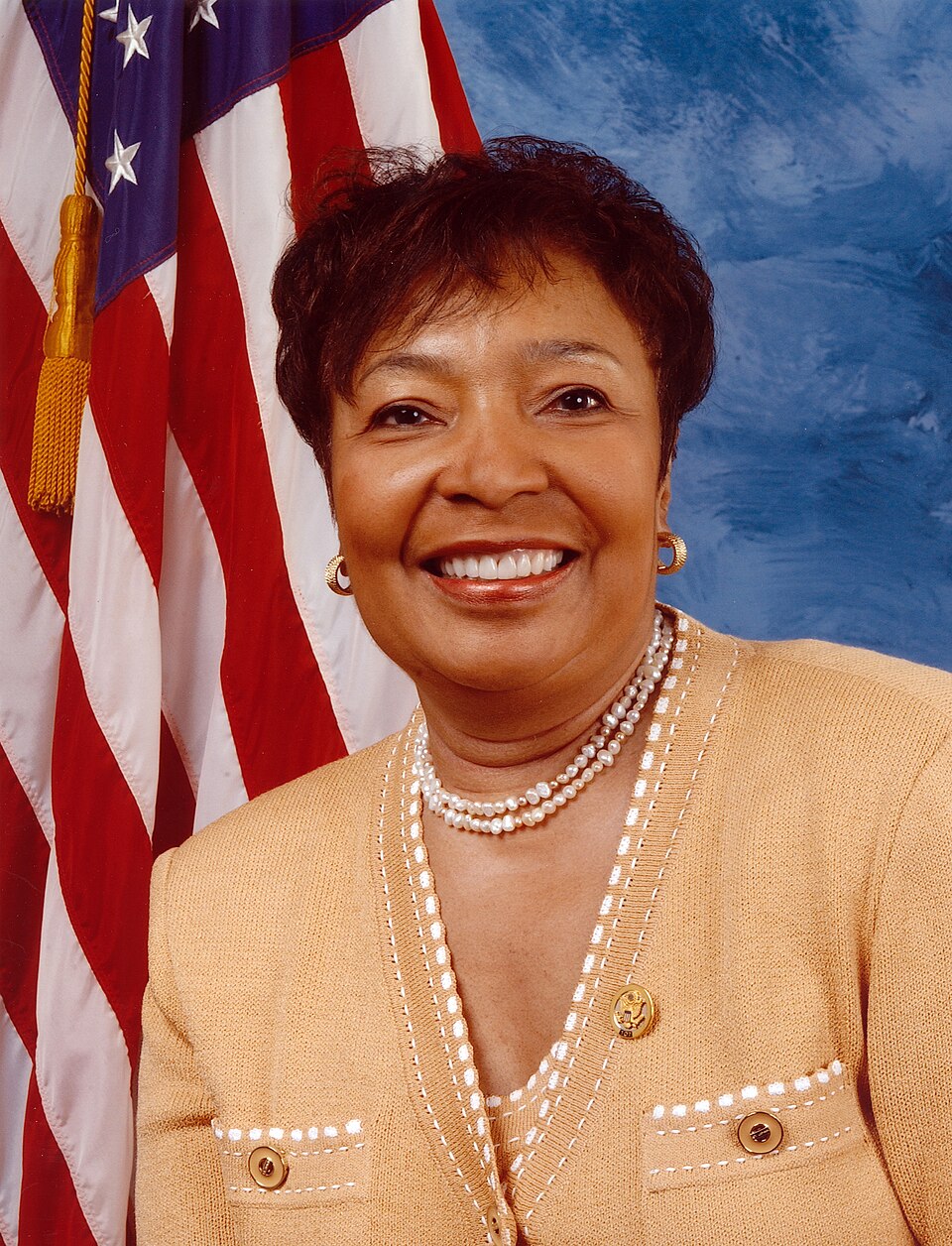
- 1972: elected to the Texas House of Representatives, the first Black woman elected to public office from Dallas.
- 1977: appointed by President Carter as regional director of the Department of Health, Education and Welfare.
- 1987: elected to the Texas Senate.
- 1992: elected to the United States House of Representatives for Texas's 30th district — the first nurse to serve in Congress.
She held the seat for thirty years, until 2023. She chaired the Congressional Black Caucus, and from 2019 to 2023 chaired the House Committee on Science, Space and Technology, the first Black person and the first woman to do so.
Why a nurse in Congress mattered
American health policy is written overwhelmingly by people who have never delivered care. Nursing is the largest health profession in the country and, until 1992, had never had one of its own in Congress at all — which is a reasonable part of the explanation for why staffing, scope of practice and workplace violence took so long to reach the federal agenda.
Johnson worked on health access, on minority health disparities, and on getting more women and minority students into science and engineering. She was among the sponsors of the legislation that followed on nurse workforce funding and on violence against health workers.
She died in Dallas on December 31, 2023, at 89.
Related
- Hazel Johnson-Brown
- Faye Glenn Abdellah
- Workplace violence in nursing
- The nursing shortage
- Nursing in Texas
Sources
- Eddie Bernice Johnson, for the chronology, her training and her congressional career. Accessed September 9, 2026.
- Johnson, Eddie Bernice. History, Art and Archives, United States House of Representatives. Accessed September 9, 2026.
- Eddie Bernice Johnson. Handbook of Texas, Texas State Historical Association. Accessed September 9, 2026.